Cave Springs Roofing for the Fastest-Growing City in Arkansas
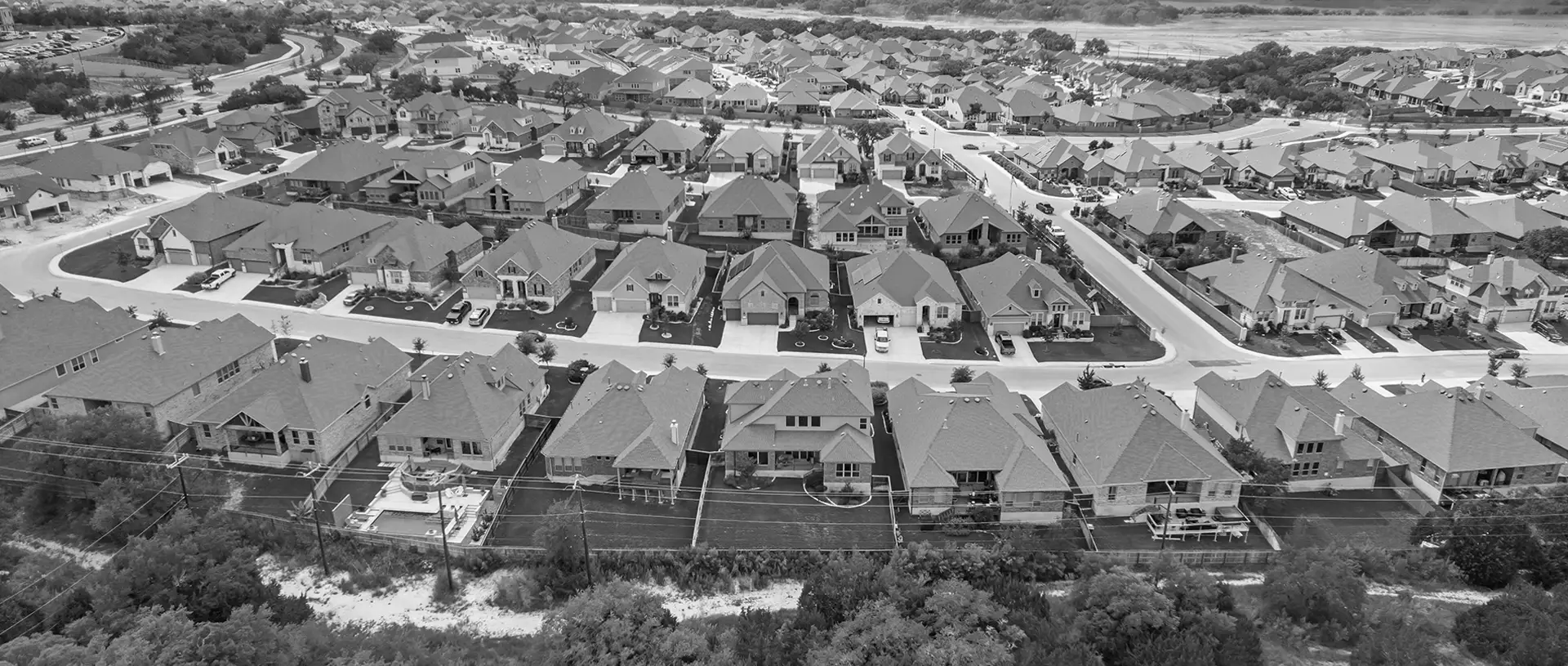
Growth of 218% in one decade means thousands of roofs built in the same window, all aging together.
A Town That Nearly Tripled in Ten Years
Between 2010 and 2020, Cave Springs grew by 218%, 3,766 added residents, making it the fastest-growing city in Arkansas per capita. The growth pushed Cave Springs from a second-class city to a first-class city. What was once a quiet community known for its namesake caves and spring is now one of the most active residential construction zones in Benton County.
Cave Springs was incorporated in 1910 and named for two caves at the edge of town. The northern cave feeds a spring that produces roughly six million gallons of water per day at a constant 54°F. That northern cave also holds the largest known population of the threatened Ozark cavefish, plus endangered gray bats. It has been closed to the public since the 1980s to protect those species.
Lake Keith, the small impoundment near downtown, was originally dammed for a gristmill and was once called Loch Lono. E. L. Keith bought it in 1947 and the name stuck. Cave Springs is often the first community visitors see when arriving at XNA, the Northwest Arkansas National Airport, and that proximity to the airport has driven commercial and residential development south and west of town.
What That Means for Your Roof's Age
When a city adds that many homes in one decade, those roofs all hit the same age milestones at the same time. The shingles installed on a 2012 build are now 13 years old. A 2015 build is approaching ten. Architectural shingles carry a manufacturer warranty of 25 to 30 years, but hail, wind, and UV degrade them well before that warranty expires, especially in Northwest Arkansas.
Production homebuilders move fast, and the roofing crews they subcontract move faster. We inspect new-construction roofs in Cave Springs and regularly find the same shortcuts: nails placed too high on the shingle exposure line, missing ice-and-water shield in valleys, drip edge left off rakes, and starter strips skipped at the eaves. These problems do not reveal themselves until the first hard storm pushes water into the gaps.
If your Cave Springs home was built during the 2010–2020 boom and you have never had the roof inspected by someone other than the builder, now is a good time. American Exteriors has been in business for 25+ years, established in 1998. Every roof we install carries a transferable lifetime workmanship warranty that stays with the house if you sell.
Working Above a Protected Watershed
The spring system that gives Cave Springs its name feeds directly into a habitat for federally protected species. Stormwater runoff from rooftops, driveways, and construction sites drains into this watershed. That makes tear-off debris containment a real concern during any roofing job, not just a best practice.
When we tear off an old roof in Cave Springs, we tarp the ground around the structure, use magnetic nail sweepers across the yard and driveway after every job, and bag all debris for proper disposal. Old shingles, felt paper, flashing, and fasteners do not belong in the stormwater system. We treat every Cave Springs job site with the understanding that what washes off the property ends up in a protected aquifer.
This is not a marketing angle. The Ozark cavefish and gray bat populations in the north cave are monitored by state and federal agencies. Contamination from construction debris is a documented threat to karst spring systems. Doing roofing work above a watershed like this requires crew discipline on cleanup, and we enforce it.
Cave Springs Areas We Serve
Downtown Cave Springs
The original town center around Main Street and the lake. Homes here are a mix of older builds from mid-century and newer infill construction. Lot sizes are compact, and some of the older homes sit on foundations that have shifted over decades, which can affect roof plane geometry. We check decking flatness on every tear-off and re-deck where needed.
Natural Springs
A residential area near the spring and cave system on the north side of town. Properties here sit closest to the protected watershed, and debris containment during tear-off is especially critical. Homes are a mix of 1990s and 2000s builds with standard architectural shingle roofs. Most are walkable pitches with good staging access from driveways.
Country Club Estates
Larger lots with custom and semi-custom homes built from the late 1990s through the 2010s. Roof designs here are more complex: multiple valleys, dormers, and mixed pitches that require more flashing work and longer install times. Shingle color and material choices tend toward premium architectural lines. We see a lot of Owens Corning Duration and CertainTeed Landmark in this neighborhood.
Meadow Creek
A newer subdivision built during the peak growth years. Homes here are primarily production-built with similar roof lines and square footage. When hail crosses this neighborhood, it tends to damage every roof on the street because the builds, materials, and exposure angles are nearly identical. We have worked multiple homes on the same block in Meadow Creek after a single storm event.
Spring Valley
A residential area south and west of the town core with a mix of newer construction and some remaining rural lots. Spring Valley homes are close to the Highway 112 corridor and XNA approach routes. The area is still developing, and we expect to see more roofing demand here as new subdivisions fill in over the next several years.
April 2026 Hail
On April 28, 2026, a hail event struck Cave Springs and surrounding communities in Benton County. Cave Springs was named in the storm reports. Given the concentration of homes built during the same construction window, the damage pattern across affected neighborhoods is likely uniform: same-age shingles, same exposure, same impact.
If your roof was hit, file your insurance claim promptly. Your policy has a window for reporting storm damage, and waiting too long can complicate or void the claim. We inspect your roof at no charge, document the damage with photos, and provide a detailed scope of work your adjuster can use. We handle the back-and-forth with your insurance company and do not ask you to pay anything beyond your deductible for covered work.
Call (479) 398-6262 to schedule a post-storm inspection. We will tell you exactly what we find and whether a claim makes sense for your situation.
Free Inspection
Call (479) 398-6262 or book your free inspection online. We will look at your roof, check for storm damage and age-related wear, and give you a written estimate. No charge, no obligation. If your home was built during the 2010–2020 growth surge, an independent inspection now can catch problems before they become leaks.
Get Your Free Roof Inspection
We look at your roof for free, tell you what we find, and let you decide. No pressure, no obligation.